
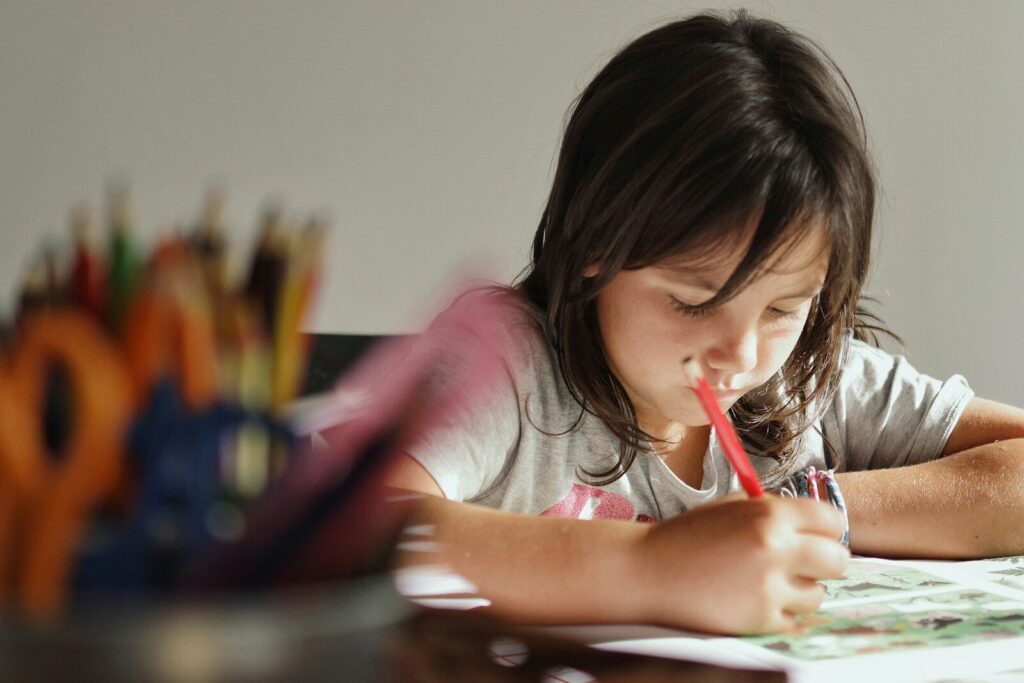
Some children are thoughtful, intelligent, caring, and well-behaved, yet still struggle to manage frustration, disappointment, or overwhelming emotions. Parents are sometimes surprised when a child who does well in school or shows kindness toward others suddenly experiences emotional outbursts, shuts down emotionally, or struggles to cope with stress.
Emotional regulation challenges can affect children of all personality types and ability levels.
Emotional Regulation Is a Skill That Develops Over Time
Emotional regulation refers to a child’s ability to recognize emotions, process them, and respond in healthy ways during stressful situations. Like communication or problem-solving skills, emotional regulation often develops gradually and may require support along the way.
Some children naturally feel emotions more intensely than others. Busy schedules, academic pressure, social stress, family changes, or anxiety may also make emotional regulation more difficult.
Parents may notice behaviors such as:
• Becoming overwhelmed easily
• Frustration over small problems
• Difficulty calming down
• Crying unexpectedly
• Avoiding conversations about feelings
• Perfectionism or fear of mistakes
• Trouble handling transitions or change
These reactions do not necessarily mean a child is being dramatic or difficult. In many cases, children may simply lack the tools to fully process strong emotions.
High-Functioning Children Often Hide Emotional Stress
Some children work very hard to hold their emotions together throughout the school day or around others. Parents may notice that emotional struggles appear more frequently at home where children feel safest expressing themselves.
Children who seem responsible or mature for their age may still carry significant emotional stress internally. Over time, bottled-up emotions can sometimes appear through irritability, emotional shutdowns, or frustration.
Understanding the emotional needs behind the behavior can help families respond with more patience, support, and reassurance.
Support Can Help Children Build Healthier Coping Skills
Counseling can provide children with a safe and supportive environment to better understand emotions, develop coping tools, and improve emotional communication. Therapy may also help parents better understand how to support emotional regulation at home.
At Maple Leaf Counseling Services, we work with children and families throughout Midland and Mid-Michigan to provide compassionate, personalized counseling support. Our goal is to help children feel understood, emotionally supported, and more confident as they navigate everyday challenges.