
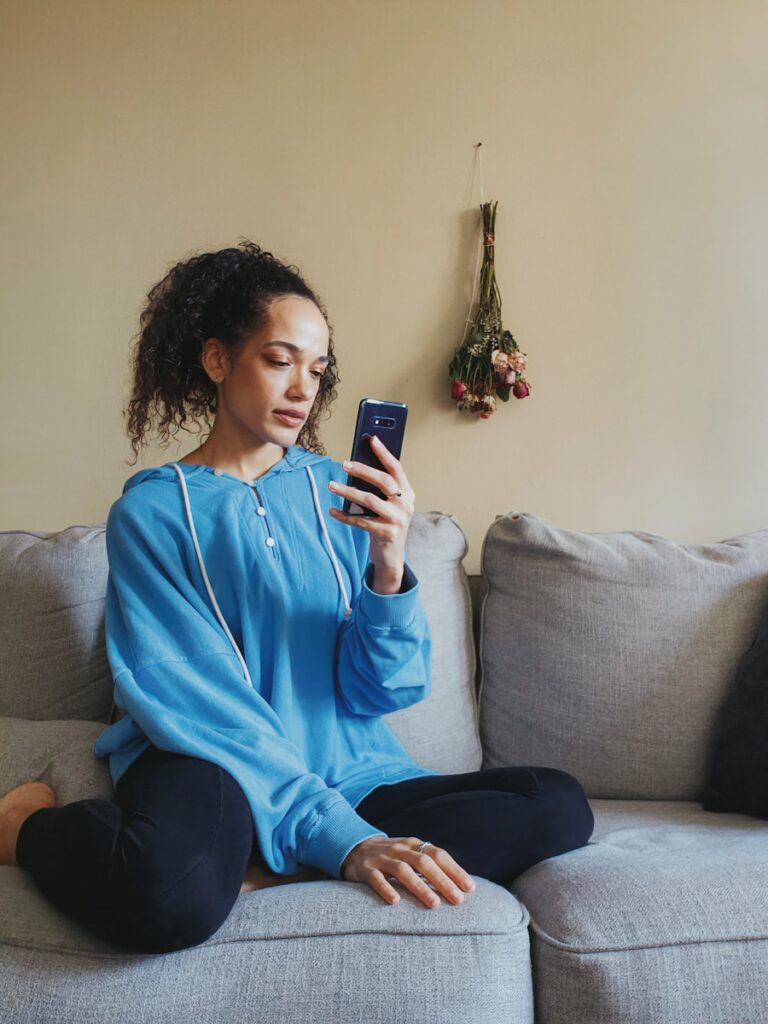
Why ADHD Looks Different in Women
ADHD in women is frequently overlooked because symptoms do not always match common stereotypes. Many women do not appear hyperactive or disruptive. Instead, ADHD may show up as internal restlessness, difficulty organizing thoughts, or feeling mentally overwhelmed. As responsibilities increase through career demands, relationships, and caregiving roles, these challenges often become more noticeable.
How Symptoms Affect Everyday Functioning
Women with ADHD may work harder than others to stay organized and meet expectations. This extra effort can be exhausting and emotionally draining. Many describe feeling scattered despite trying their best, or feeling frustrated when routines break down. Over time, untreated symptoms can affect confidence, productivity, and emotional well-being.
Common experiences may include chronic procrastination, difficulty prioritizing tasks, forgetfulness, trouble following through on plans, emotional sensitivity, and feeling overwhelmed by daily responsibilities.
Why Diagnosis Often Happens Later
Many women develop coping strategies early in life that mask ADHD symptoms. Perfectionism, overpreparation, or people-pleasing can hide underlying challenges for years. Life transitions such as career advancement, parenting, or increased workload may overwhelm these strategies, prompting women to seek answers later in adulthood.
How Counseling Can Support Women With ADHD
Counseling can help women better understand ADHD-related patterns and develop practical strategies for organization, emotional regulation, and self-compassion. Therapy is designed to support clarity and confidence without labeling or limiting potential.
Maple Leaf Counseling Services offers evidence-based support for women seeking understanding and management of ADHD symptoms.